Easy Amish White Bread
There is a timeless, soul-soothing joy in slicing into a loaf of homemade bread that has just come out of the oven. Easy Amish white bread is the quintessential country recipe, celebrated for its pillow-soft crumb, golden crust, and subtle hint of honeyed sweetness.
Unlike demanding artisan sourdoughs that require days of fermentation, this traditional yeast bread comes together with dependable pantry staples in just an afternoon. It produces sturdy, uniform slices that do not crumble, making it the ultimate homemade loaf for morning toast, school sandwiches, or evening dinner tables.
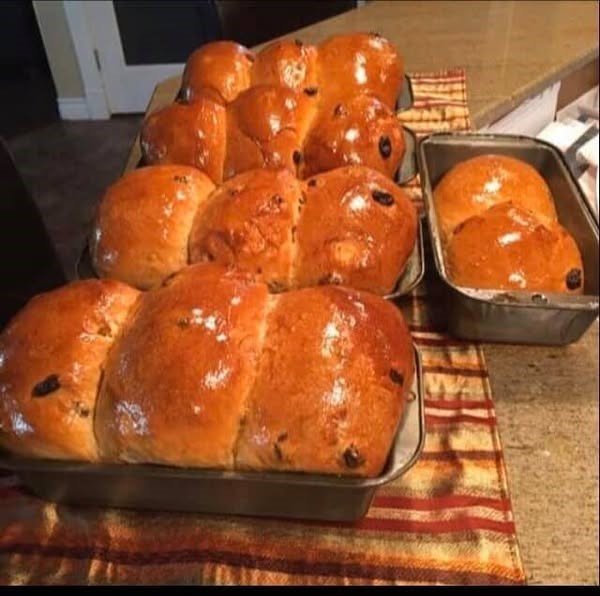
Best of all, this forgiving recipe is wonderfully beginner-friendly and requires no complex baking gadgets. A single batch easily yields two tall loaves, filling your entire home with the comforting, unforgettable aroma of a rustic country bakery.

Ingredients
-
2 cups warm water (110°F/43°C)
-
2/3 cup granulated sugar (or honey)
-
1 1/2 tablespoons active dry yeast (2 standard packets)
-
1 1/2 teaspoons salt
-
1/4 cup vegetable oil (or melted unsalted butter)
-
6 cups all-purpose flour (or bread flour)
-
2 tablespoons melted butter (for brushing after baking)
Optional Cinnamon Swirl Variation
-
1/3 cup granulated sugar
-
2 tablespoons ground cinnamon
-
2 tablespoons melted butter (for brushing inside the rolled dough and on top)

Instructions
-
Whisk the warm water and granulated sugar together in a large bowl until the sugar dissolves.
-
Sprinkle the active dry yeast over the sweetened water and let it sit for ten minutes until a thick, frothy foam develops on top.
-
Stir in the salt and vegetable oil using a wooden spoon.
-
Add the all-purpose flour one cup at a time, mixing well after each addition until a shaggy, cohesive dough begins to form.
-
Turn the dough out onto a lightly floured countertop and knead vigorously by hand for eight to ten minutes until smooth, elastic, and non-sticky.
-
Place the kneaded ball into a lightly oiled bowl, turn once to coat, cover with a damp kitchen towel, and let rise in a warm spot for one hour until doubled in bulk.
-
Punch the risen dough down firmly to expel air pockets and divide it into two equal portions.
-
Grease two standard 8.5×4.5-inch or 9×5-inch loaf pans generously with cooking spray or butter.
-
Shape each half into an oblong log and place seam-side down into the prepared loaf pans.
-
Cover loosely with a towel and let the loaves rise for thirty to forty minutes until they crown about one inch above the pan rims.
-
Preheat your oven to 350°F (175°C).
-
Bake the loaves uncovered for thirty to thirty-five minutes until the crusts are deeply golden brown and sound hollow when gently tapped.
-
Remove from the oven and brush the hot tops immediately with melted butter to soften the crust.
-
Cool in the pans for ten minutes, then transfer the loaves to a wire rack to cool completely before slicing.

Why This Recipe Works
-
A slightly higher ratio of sugar activates the yeast quickly while producing a delicate, naturally sweet flavor profile.
-
Kneading develops an elastic gluten network that gives the crumb a soft, squishable, sandwich-ready structure.
-
Brushing melted butter onto the piping hot crust seals in escaping moisture, ensuring an irresistibly tender bite.
-
The simple, straightforward ingredient list guarantees consistent rise and browning without specialized bread improvers.

Tips for Best Results
Ensure your water is pleasantly warm to the wrist (105°F to 115°F); water that is too hot will kill the yeast, while cold water will stall the rise.
Measure your flour using the spoon-and-level method rather than scooping directly from the bag to avoid packing in excess flour and creating dense loaves.
Allow the bread to cool completely to room temperature on a wire rack before cutting, as slicing hot bread crushes the delicate interior steam pockets.
Use a long, sharp serrated bread knife with a gentle sawing motion to create clean, bakery-level slices.

Variations & Substitutions
To make the Cinnamon Version, roll each dough half into an 8×15-inch rectangle, brush with melted butter, sprinkle generously with cinnamon sugar, roll into a tight cylinder, place into the pan, and dust the top with extra cinnamon sugar before baking.
For a wholesome whole grain option, replace two of the six cups of all-purpose flour with whole wheat flour, adding an extra tablespoon of warm water if the dough feels dry.
If you prefer unrefined sweeteners, pure maple syrup or honey can be substituted for the granulated sugar at a direct 1:1 ratio.
For an extra rich, brioche-style treat, substitute the vegetable oil with an equal amount of softened salted butter and brush the tops with an egg wash before baking.

Frequently Asked Questions
How should I store this homemade bread? Keep your cooled loaves in an airtight plastic bread bag or bread box at room temperature for up to four to five days.
Can I freeze this bread for later?
Yes, wrap fully cooled whole loaves or individual slices tightly in plastic wrap and aluminum foil, then freeze for up to three months.
Can I make this dough using a stand mixer?
Yes, use the dough hook attachment on low speed to knead the mixture for five to seven minutes until smooth and pulling away from the bowl walls.
Why did my bread collapse or turn out dense?
A heavy texture usually means the yeast was expired, the water was too hot, or too much flour was packed into the measuring cup during prep.
Pulling two gorgeous, golden loaves of this rustic staple from your oven is one of the most rewarding experiences you can have in the kitchen. Slather a warm, thick slice with sweet cream butter and discover just how comforting everyday baking can be.